
Silence in the heatwave
I've been terribly quiet here, and it's all due to this terrible weather we've been having for months now. Absolutely no motivation to do anything! But I'm happy to share with you something!

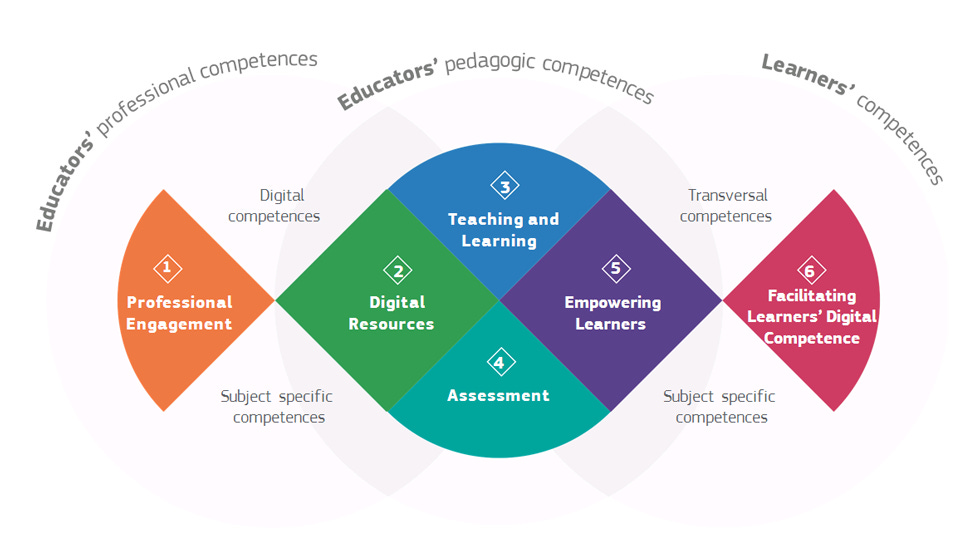
I took part on a huge project in the first half of the year, which is slowly coming to an end. I translated the entire second edition of the handbook called Methodology of Educational Technology in Higher Education - a Pedagogic AId. This handbook looks at teaching methods in HE through the lens of the DigCompEdu framework. The second edition has been updated with lots of AI-related additions.
Apart from translating the book and adding suggestions, I also created 12 unique expert videos that expand on certain AI-related themes from each chapter.
Check out these videos if you’d like to find out more about (and you can read my two cents about these questions in italics):
How can built-in AI features in mainstream productivity tools enhance the workflows of researchers and educators? [LINK]
”The most common features include chat and email summaries, meeting transcriptions and notes, and various autofill options.”How can generative AI accelerate the research process and improve the relevance of source discovery? [LINK]
”With the help of GenAI, in addition to the usual search for keywords and authors, you can ask complex questions in natural language and receive a generated summary along with the relevant sources.”What are the known limitations of AI detection tools, and why should educators approach their results with caution? [LINK]
”While these websites are continually improving their detection algorithms, they can still produce false positives as well as false negatives.”How can researchers make use of generative AI-enhanced writing assistants to produce more natural sounding texts? [LINK]
”AI-based text co-creation is a good example of human-AI collaboration. We write and ask for AI’s assistance within the same document, creating a more seamless workflow.”How can educators use AI-assisted presentation tools to refine and extend their existing teaching materials? [LINK]
“One of the biggest advantages of GenAI-assisted presentation software is the ability to redesign your existing handouts or slides. You can make your materials less crammed, more accessible, and more visually appealing.”What are some ways educators can help their students become more apt at self-regulated and self-directed learning? [LINK]
“Encouraging students to use multimodal GenAI tools to understand learning materials and to search for information can help them tailor the learning process to their own needs, thus making them more independent.”What are some of the most useful AI features of Wayground that can help educators create powerful and accessible assessments quickly? [LINK]
“Wayground’s strength lies in the fact that it can not only generate a quiz, reading comprehension activities, and interactive lessons but also host them online, store learning analytics, and adapt all these materials to meet various special needs.”How can educators integrate AI-generated essay feedback meaningfully into their assessment and feedback practices? [LINK]
“Make sure to choose a website that not only uses AI to generate feedback but that’s also built on robust standards and quality assurance. This can minimise the chances for inconsistent scoring and feedback.”In what ways can AI tools support both students and researchers in improving the accessibility of documents and digital content? [LINK]
“Text-to-speech tools can assist dyslexic learners as well as learners with visual impairments. Text summaries can help those who have issues with discerning crucial information. The voice mode in chatbots can help those who have difficulties typing.”How can GenAI chatbots and generators assist educators with the speedy creation of differentiated materials? [LINK]
“This is where GenAI can really shine. It can adapt activities and learning materials to individual student needs. You can also vary the difficulty of the activities by generating more challenging or scaffolded versions.”What pathways are available for educators’ continued professional development in AI, and how can they support their students’ AI literacy? [LINK]
“While the companies behind most chatbots offer their own AI courses, in order to develop our students’ and our own AI literacy, I recommend the courses listed on the EU AI Act website or the resources available on TeachAI.org.”What practical strategies can users apply when encountering common limitations of AI chatbots, such as prompt refinement challenges or context window constraints? [LINK]
“The main rule of thumb when prompting is to be specific. According to the Garbage In Garbage Out principle, bad input leads to bad output. For example, giving a persona to the chatbot can greatly influence the results you get.”